
Maine is known for its beautiful rocky coastlines and its fresh lobster. But it is also known for having some of the best cannabis laws in the country. Many people living here do not realize how easy it is to access medical cannabis. If you are wondering how to get & renew a Medical Marijuana Card in Maine, you have come to the right place. The process is simple, fast, and very helpful for patients.
Even though Maine allows adults to buy recreational weed, having a medical card is much better. It saves you money on taxes and gives you access to stronger, more effective products.
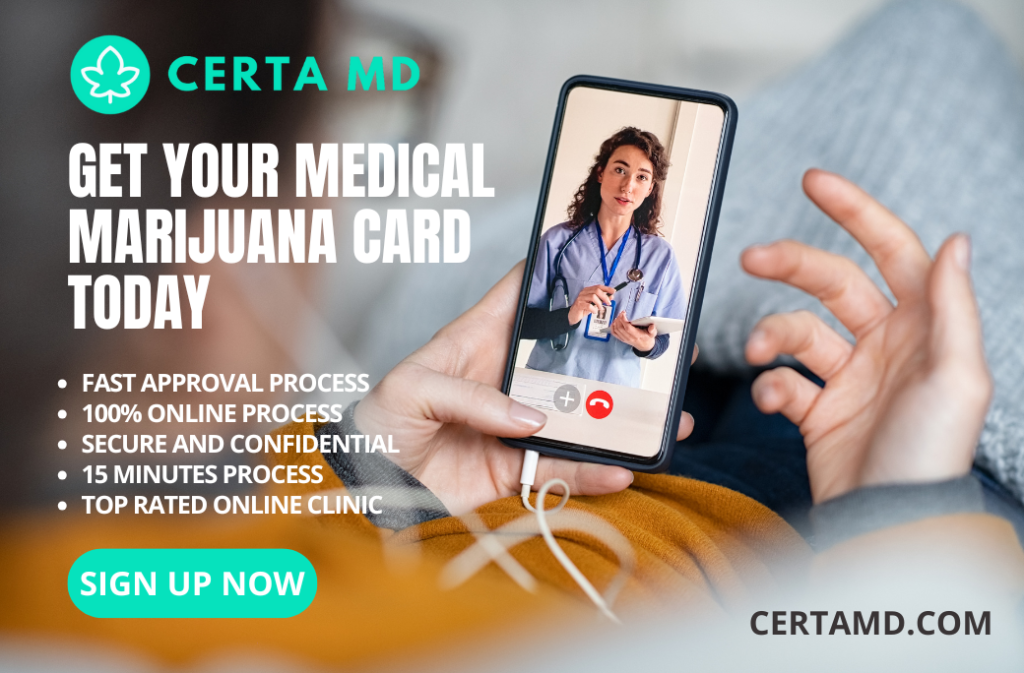
To get started right away, you can connect with a licensed physician at CertaMD today. We make the whole process easy to understand.
Who Qualifies for a Medical Cannabis Card in Maine?
Many states have very strict rules about who can get a medical card. They usually have a short list of specific diseases you must have. If you aren’t on that list, you are out of luck.
Maine is different because the laws here are much more flexible and patient-focused. The state allows certification based on “medical necessity.” This means the decision is really up to you and your doctor.
If your doctor believes cannabis will help treat your symptoms, you can qualify. You do not need to fit into a tiny box to get the help you need.
Here are some common conditions that doctors often certify patients for:
-
Chronic Pain (long-lasting pain in the back or joints)
-
Anxiety and Depression
-
PTSD (Post-Traumatic Stress Disorder)
-
Cancer or Glaucoma
-
Insomnia (trouble sleeping)
-
Nausea or lack of appetite
This list is not the only way to qualify. There are many other reasons a doctor might approve you. The most important part is the relationship between you and your healthcare provider.
If you feel that natural medicine could improve your life, that is a valid reason to ask. Honesty is the best policy when talking to a medical marijuana doctor. They are there to help you, not to judge you.
Step-by-Step: How to Get Your Maine MMJ Card
You might think that dealing with medical forms is scary or boring. In many places, government paperwork is a nightmare. Thankfully, the Maine medical marijuana laws make it very straightforward.
You do not need to stand in long lines at a government building. You can do almost everything from the comfort of your own living room.
Step 1: Schedule Your Evaluation
The first step is to book an appointment with a registered provider. In the past, you had to drive to a clinic and sit in a waiting room. That took a lot of time and gas money.
Now, you can use telemedicine services. This means you can talk to a doctor using your computer or smartphone. It is private, secure, and very convenient.
We know that medical costs can be high, so we offer affordable evaluation pricing to make sure everyone can get help. You just pick a time that works for you and sign up on the website.
Step 2: Consult with the Physician
Once your appointment starts, you will talk to a friendly medical professional. They will ask you about your medical history and your current health. This is just a normal chat about how you are feeling.
They want to know what kind of symptoms you have. For example, tell them if you have back pain or if you get very anxious in crowds. Be open about what hurts or what bothers you.
This is a great time to ask questions. You can ask how cannabis might interact with other medicines you take. It is good to be safe.
If you are unsure about how this works, you can check our free consultation support before you book. The doctor’s goal is to make sure you are safe and that cannabis is a good choice for you.
Step 3: Registration and Digital ID
After the doctor approves you, the hard part is over. Maine has updated its system to be very modern and fast. You don’t have to wait for weeks.
The Office of Cannabis Policy (OCP) oversees the program to keep it safe. In most cases, you will receive a digital certification or a printed card directly from your provider.
You usually do not need to wait for the mail to arrive. Once you have your certification, you are legally allowed to buy medical cannabis.
This card is your golden ticket. It allows you to enter medical dispensaries and buy products tax-free. It gives you the freedom to choose your medicine.
Maine Medical Marijuana Renewal Process
It is important to remember that your medical card does not last forever. In Maine, certifications are typically valid for one year. You have to keep track of the date.
You need to know how to get & Renew a Medical Marijuana Card in Maine, so you don’t lose access to your medicine. If your card expires, you cannot buy medical products until you fix it.
The renewal process is almost identical to your first visit. You do not have to start from scratch. You will schedule another appointment with the doctor to check in.
They will ask if the cannabis is helping you. They might also suggest changes to your routine if you aren’t feeling better. It is a quick check-up.
We value the people who have served our country. That is why we have special programs for veterans to help with costs during renewal. We believe healthcare should be accessible to everyone who needs it.
Medical Card vs. Recreational Use: Why Get Certified?
Since 2020, adults over 21 in Maine can buy cannabis for fun (recreational use). This makes some people ask, “Why should I pay for a medical card?” It seems easier to just go to a recreational store.
This is a very good question. However, the answer lies in the benefits that only patients get. There are three main reasons to get certified: taxes, potency, and age.
-
Tax Savings:
Recreational cannabis in Maine has a 10% sales tax. That can add up very quickly if you buy often. It is like throwing money away.
Medical cannabis only has a 5.5% tax. If you spend $100 a month on medicine, the card pays for itself very fast. You save money every single time you shop. -
Potency and Products:
Recreational stores have limits on how strong the edibles can be. They are often capped at lower doses per package. This is to keep new users safe.
Medical dispensaries can sell stronger products. If you have severe pain, you might need a stronger edible to feel relief. Medical patients often need higher doses than recreational users. -
Possession Limits:
Medical patients can usually buy and carry more cannabis than recreational users. You are allowed to possess up to 2.5 ounces of prepared cannabis. This helps you stock up so you don’t have to drive to the store as often. -
Age Requirements:
You have to be 21 years old to buy recreational weed. However, you only need to be 18 years old to get a medical card.
If you are under 18, you can still get a card with a parent or guardian’s help. This is crucial for children who need cannabis for serious medical conditions like epilepsy.
After Certification: Strains and Dispensaries
Congratulations! You have your card. Now, what do you buy?
Cannabis is not just one thing. There are hundreds of different types, which we call “strains.” Some strains make you feel energetic and happy. Other strains make you feel sleepy and relaxed.
If you choose the wrong one, you might not get the relief you want. We can help you with identifying the right strain for your specific symptoms.
For example, “Indica” strains are usually good for sleep and pain. “Sativa” strains are often better for daytime use and focus. “Hybrid” strains are a mix of both.
Once you know what you want, you need to find a store. These stores are called dispensaries or “caregiver storefronts.”
Maine has many amazing local caregivers who grow high-quality organic medicine. You can look at our list of licensed Maine dispensaries to find a shop near your home.
When you go to the dispensary, bring your medical card and your photo ID. The staff there are usually very knowledgeable. They can help you pick the best products for your needs.
Conclusion
Getting access to medical cannabis in Maine is a great choice for your health and your wallet. The state has created a system that respects patients and offers great flexibility.
You do not need to suffer in silence or pay high recreational taxes. The process is fast, private, and very simple.
Now you know exactly how to get & Renew a Medical Marijuana Card in Maine. It starts with a simple conversation with a doctor who cares.
Take control of your health today. Book your appointment with CertaMD and join thousands of other Mainers who have found relief naturally.
Frequently Asked Questions (FAQ)
Can I get a card for anxiety in Maine?
Yes, you can. Anxiety is one of the most common reasons people seek cannabis certification Maine. Because the law allows for “medical necessity,” your doctor can approve you if they think it will help calm your nerves.
How much does a Maine medical marijuana card cost?
The cost depends on the doctor you see. The state of Maine used to charge a fee for the card itself, but they have removed many barriers. Now, you mostly just pay for the doctor’s visit, which is very reasonable.
Can out-of-state residents get a Maine MMJ card?
Maine allows “visiting patients” from certain states to use their home state’s card. However, you cannot get a Maine card unless you live here. If you move to Maine, you should get a local card to enjoy all the tax benefits.
Will my insurance pay for my card?
Sadly, no. Because cannabis is still illegal at the federal level, insurance companies do not cover the cost of the appointment or the medicine. You have to pay out of pocket, but the tax savings help.
Can I grow my own plants?
Yes! Medical patients in Maine have the right to grow their own medicine. This is a great way to save even more money if you have a green thumb. You can grow a limited number of plants at home.
Sources:
- Maine Office of Cannabis Policy (OCP): https://www.maine.gov/dafs/ocp/medical-use
- Maine Revised Statutes (Medical Use of Cannabis Act): https://legislature.maine.gov/statutes/22/title22ch558-Csec0.html