
What Does ‘Half Ounce’ Of Cannabis Mean?

What Does ‘Half Ounce’ Of Cannabis Mean?

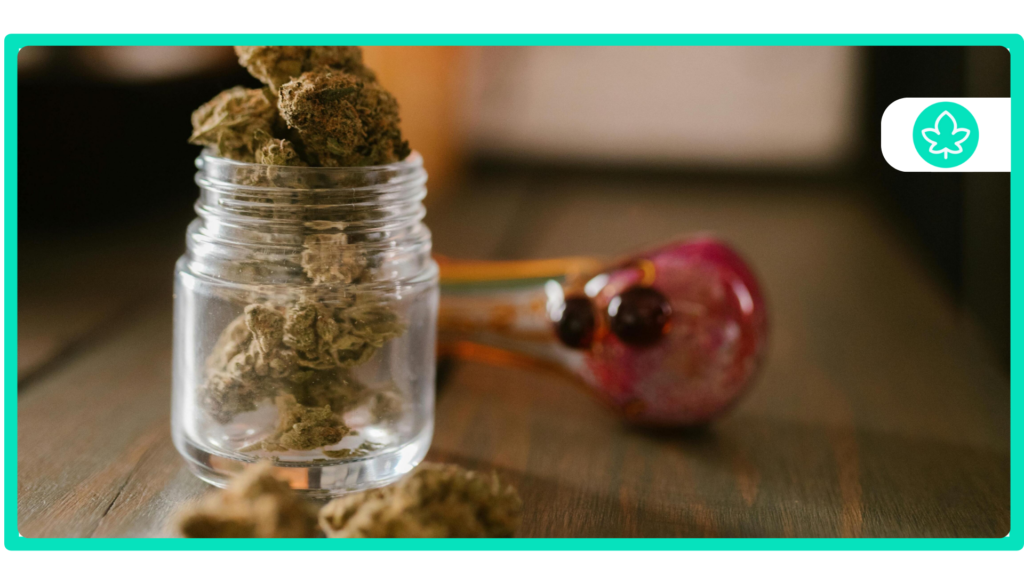
Whether you’re someone who just got their medical marijuana card or someone who’s been buying medical cannabis in bulk for a pretty long, you must have heard about the ‘half ounce’ of cannabis. The ‘half ounce’ or ‘half’ of cannabis is exactly what this name implies, purchasing half an ounce of cannabis. Considering an ounce is around 28 grams, then half an ounce of cannabis is exactly 14 grams of cannabis.

There are many reasons why you should be buying half an ounce of cannabis but the fact that this saves a lot of time and money is something no one can ignore. When you’re buying cannabis in bulk, most dispensaries will offer you a bulk discount, reducing the overall cost of the cannabis. Plus, buying half an ounce of cannabis means that you won’t need to visit the dispensary anytime soon in the future.

However, buying half an ounce of cannabis and the factors that influence its price can be a bit tricky to understand in the beginning. To help you better understand the benefits of buying half an ounce of cannabis, CertaMD has some pretty interesting points to discuss today!

Factors that affect the price of half an ounce of cannabis


Your geographical location and the dispensary you’re purchasing your cannabis from are major two factors that influence the overall cost of an ounce of cannabis. This is because of the fact that various state/county laws and corporations can influence the consumer cost of the product as they prefer.

Apart from this, the cannabis strain, quality, and concentration also influence the consumer price. The concentration of THC or CBD and the possible benefits of a strain differ greatly from one another influencing the price of each strain along the way.

It might be a surprise for a lot of people but your status as a medical or recreational cannabis user will also influence the average price of half an ounce of cannabis. Medical marijuana is usually priced differently as various tax exemptions and subsidies lower the overall consumer cost for medical marijuana strains.

How much does half an ounce of cannabis cost?


As mentioned earlier, the consumer price of cannabis is influenced by a number of factors. However, the average price of half an ounce of cannabis can be between $100-$150 for medium-quality strains. The price can skyrocket to $200 for high-quality and niche strains.

Quality vs. cost: What makes high-quality cannabis?


Quality in cannabis isn’t solely about the cannabinoid concentration. It involves a wide range of factors, such as how the plant was grown, harvested, and processed, along with its sensory attributes like smell and taste. 

The physical appearance and texture also play a role in determining quality, as well as the overall effects (both positive and negative) experienced during use. For new users, recognizing these qualities can be challenging, so it’s a great idea to consult a knowledgeable ‘budtender’ who can guide you through high-quality products that fit within your budget.

Final Note


For people who are thinking about purchasing cannabis in cannabis to save both their time and money, starting with half an ounce of cannabis for each purchase seems a pretty and budget-friendly choice. However, don’t forget to evaluate various dispensaries and strain options as these factors can influence the average cost you’ll be paying for half an ounce of cannabis.
Alana Seppelt

Important Medical Information & Disclaimers

Medical disclaimer

The information on this CertaMD page is provided for educational and informational purposes only and is not a substitute for professional medical advice, diagnosis, or treatment.

All medical marijuana evaluations and recommendations through CertaMD are performed exclusively by licensed U.S. healthcare providers using secure telemedicine technology, in accordance with applicable state laws and regulations.

Always speak with a qualified physician or other licensed healthcare professional before making decisions about your health, changing existing medications, or starting any new treatment, including medical cannabis.

Source: FDA – Cannabis Research & Drug Approval Process

Individual results and treatment response

Medical cannabis does not work the same way for every patient. Symptom relief can depend on factors such as the type of product (THC/CBD ratio, route of administration), dose, frequency of use, underlying medical conditions, concurrent medications, and lifestyle variables like diet, stress, and sleep.

Because response and tolerability vary, ongoing follow-up with your CertaMD provider is important to review benefits, monitor side effects, and adjust your treatment plan safely over time.

Source: NIH – Therapeutic Effects of Cannabis and Cannabinoids

Possible risks and side effects

Like any therapeutic option, medical marijuana can cause side effects. Commonly reported effects include dry mouth, dizziness, fatigue, red or irritated eyes, increased appetite, headache, and temporary problems with attention, concentration, or short-term memory.

Some patients, especially with higher-THC products, may experience anxiety, rapid heartbeat, worsened mood, or perceptual changes; in rare cases, serious effects such as psychosis, significant mood changes, heart rhythm disturbances, or cannabinoid hyperemesis syndrome (recurrent nausea and vomiting) have been reported. If you notice severe, unexpected, or persistent symptoms, stop using cannabis and contact your healthcare provider or seek urgent care.

Source: Mayo Clinic – Marijuana: Safety and Side Effects

Legal and regulatory notice

Medical marijuana programs are created and regulated at the state level, and eligibility, product access, and telemedicine rules vary by jurisdiction. Under U.S. federal law, marijuana remains a Schedule I controlled substance, and clinicians typically “recommend” or “certify” medical cannabis use rather than prescribe it in the traditional sense.

Some states require an initial in-person visit before medical cannabis certification, while others allow both initial and renewal evaluations via telehealth; CertaMD operates within the specific requirements of each state it serves.

Sources: DEA – Controlled Substances Act

Telehealth.org – Cannabis Prescribing and Telehealth

Product quality, sourcing, and safety

For your safety, use only medical cannabis products obtained from licensed, state-regulated dispensaries that perform appropriate laboratory testing for potency and contaminants. Unregulated or illicit products may contain pesticides, heavy metals, microbes, or inaccurate THC/CBD concentrations, which can increase health risks and lead to unpredictable effects.

Ask your CertaMD clinician or dispensary pharmacist about product selection, dosing, onset and duration of effects, and how to store products safely away from children and pets.

Source: FDA – What to Know About Cannabis Products

Reporting adverse events and safety concerns

If you experience serious or unexpected side effects while using medical cannabis, contact your healthcare provider immediately or seek emergency care when appropriate.

Patients and caregivers in the United States can also report adverse events and product problems to the FDA’s MedWatch program online or by phone at
1-800-FDA-1088, which helps regulators monitor safety trends and protect public health.

Source: FDA – MedWatch Safety & Adverse Event Reporting

See how much you could save with a medical card

Note that this is an estimate of savings and does not constitute a guarantee. Additional taxes in your area or recent changes in local laws may affect these rates. Please verify current regulations in your state.

Table of Contents

Latest Posts

Cannabis Laws in Washington DC (2026) | What’s Legal & What’s Not

Walking through the streets of the District is a unique experience. You might be admiring the historic row houses in Capitol Hill or catching the...

Cannabis Laws in West Virginia (2026) | What’s Legal & What’s Not

The mountain state is famous for its wild and wonderful views. From the foggy mornings in the New River Gorge to the snowy winters in...

Cannabis Laws in Washington (2026) | What’s Legal & What’s Not

Washington has long been a leader in the movement for sensible drug policy. As we move into 2026, the state remains a hub for both...

Cannabis Laws in Virginia (2026) | What’s Legal & What’s Not ​

Virginia has come a long way from its traditional roots. Whether you are walking through the historic streets of Old Town Alexandria or enjoying the...

Cannabis Laws in Vermont (2026) | What’s Legal & What’s Not

Vermont is famous for its beautiful Green Mountains and maple syrup. It is also known for having some of the most progressive marijuana rules in...

Cannabis Laws in Texas (2026) | What’s Legal & What’s Not

Navigating the Cannabis Laws in Texas can feel as complicated as driving through the Mixmaster in downtown Dallas during rush hour. As we move through...

⚡ Trusted by thousands nationwide. Get your medical marijuana card online in 10 minutes. Pay only after the doctor's approval.

BOOK APPOINTMENT NOW