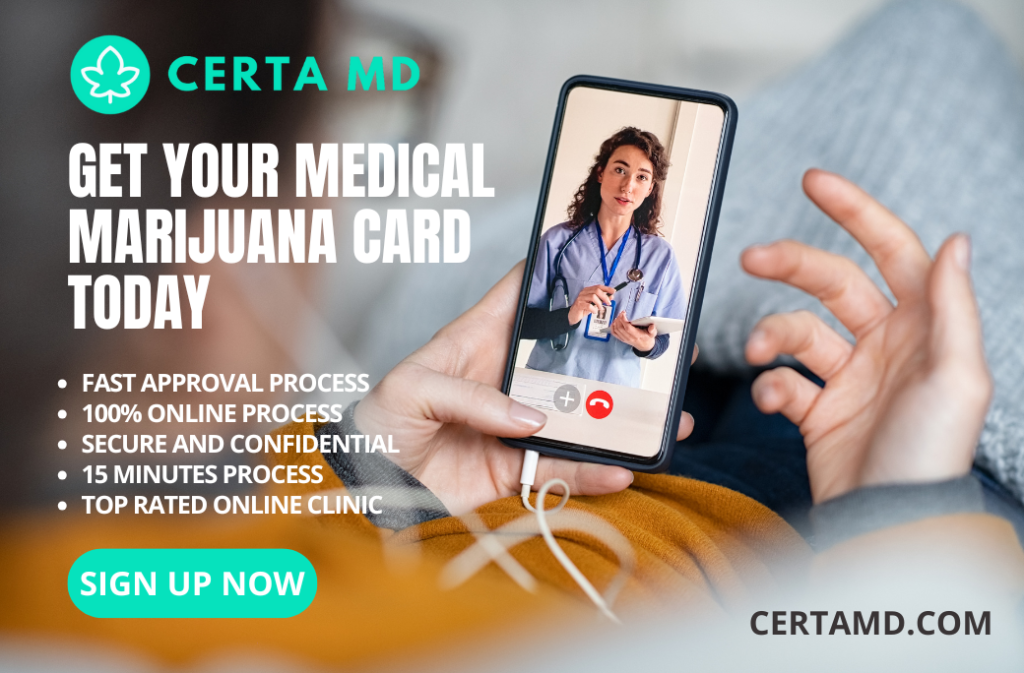

Ohio has seen some big changes lately regarding cannabis. You might have heard that recreational use is now legal because of Issue 2. This is great news for many people in the state. However, many people are realizing that sticking with just recreational use is expensive. If you want to save money, getting a medical card is still the smartest choice. It opens the door to better prices and stronger legal protection. We are here to show you how to get & renew a Medical Marijuana Card in Ohio.
The biggest reason to get a card right now is the taxes. Recreational buyers have to pay an extra 10% tax on everything they buy. Medical patients do not have to pay this tax at all.
Over a full year, that savings adds up to a lot of money. Plus, you get priority service at dispensaries. You can get your Ohio card online with us to start saving today.
Do You Qualify? Ohio Medical Marijuana Eligibility
Before you apply, you need to know if you are eligible. The State Medical Board of Ohio has a list of specific health conditions. You must have one of these conditions to get your card.
The list covers many common issues that people deal with every day. It is not just for very rare or serious diseases. The state wants to help people feel better.
The most common condition is chronic pain. This can mean back pain, arthritis, or old sports injuries. If you hurt every day, you likely qualify.
Other conditions include PTSD, cancer, and inflammatory bowel disease. Issues like epilepsy, Parkinson’s disease, and multiple sclerosis are also on the list. Even conditions like ulcerative colitis and fibromyalgia are covered.
If you are not sure if your condition counts, do not worry. A doctor can talk to you and figure it out. They listen to your history and decide if cannabis can help.
You can find out if you are eligible during a low-cost evaluation. This is a safe and private way to discuss your health.
Step-by-Step: How to Get & Renew a Medical Marijuana Card in Ohio (The Process)
Getting your card is much faster than it used to be. You do not have to drive to a doctor’s office and sit in a waiting room. The whole thing can be done from your house.
We have broken the process down into three simple steps.
Step 1: Book a Telehealth Visit
Ohio allows doctors to see patients over video calls. This is called telemedicine. You can use your smartphone, tablet, or computer.
You just pick a time that works for you. During the call, the doctor will ask about your health history. It is a quick and stress-free conversation.
Step 2: Get Recommended
If the doctor thinks cannabis will help you, they will approve you. They will enter your name into the Patient & Caregiver Registry.
This is the official state system for medical marijuana. You will get an email from the state once the doctor adds you. This email confirms that you are ready for the final step.
Step 3: Activate Your Card
After you get the email, you need to log in to the state website. You will have to pay a very small fee to the state. Once you pay the penny, you can download your card to your phone. Now you are ready to shop. You can browse dispensary locations near you to see where to go.
The Renewal Process: Staying Active
It is important to remember that your card is not valid forever. In Ohio, a medical marijuana registration lasts for one year. After that year, it expires.
You need to know how to get & renew a Medical Marijuana Card in Ohio so you don’t lose access.
Your card does not renew automatically. You have to see a doctor again to confirm you still need the medicine. This is usually a shorter visit than the first one.
If you let your card expire, you face a “lapse in coverage.” This means you cannot buy medical cannabis anymore. You would have to buy recreational weed and pay the extra taxes.
We recommend booking your renewal appointment about 30 days before your card expires. This gives you plenty of time to get everything sorted.
You can renew your certification easily through our website.
Medical vs. Recreational: Why Keep the Card?
Since recreational weed is legal, you might ask, “Why bother with a card?” This is a very good question for 2024 and 2025.
There are three major reasons why having a card is better:
-
Taxes: This is the biggest money saver. Recreational users pay a 10% excise tax on top of regular sales tax. Medical patients pay 0% excise tax. If you spend $200 a month, the card saves you hundreds of dollars a year.
-
Possession Limits: Medical patients can buy and carry more cannabis. You are allowed to have up to a 90-day supply of medicine. Recreational users have much stricter limits on how much they can possess.
-
Age Requirements: You must be 21 or older to buy recreational weed. However, medical patients can be 18 years old. If you are under 21 and need relief, a medical card is your only legal option.
Also, medical patients often get access to stronger products. You can compare cannabis strains to see the difference in potency.
Costs Breakdown
We want to be very open about what this costs. Many people think it is too expensive, but it is actually very affordable.
There are two main fees you need to know about:
-
The Doctor’s Fee: This is what you pay for the appointment. The price varies depending on the clinic, but it pays for the doctor’s time and license. Insurance usually does not cover this yet.
-
The State Fee: As we mentioned, this is paid to the State of Ohio. It is currently just $0.01 (one cent).
When you compare these costs to the tax savings, the card pays for itself. Usually, after just a few visits to the dispensary, you have saved enough in taxes to cover the doctor’s fee.
For more specific numbers, check our pricing details.
Support for Veterans
Ohio cares a lot about its veterans. Many veterans deal with pain or trauma from their service. Cannabis has been shown to be very helpful for these issues.
We believe that veterans should have easy access to this medicine. That is why the process is often even cheaper for them.
If you served in the military, you likely qualify for discounts. You just need to show your proof of service paperwork. This helps lower the cost of the doctor’s visit.
Also, the state fee remains one penny, so that is easy for everyone. We want to make sure those who served get the care they need.
Please look at our veteran discount program for more help.
Conclusion
Getting a medical marijuana card in Ohio is a smart financial move. Even though laws are changing, the benefits of the card remain strong.
You save money on every purchase because you avoid the high taxes. You also get better legal protection and higher possession limits.
Now you understand how to get & renew a Medical Marijuana Card in Ohio. The steps are simple, and the cost is low.
Do not wait to start saving money and feeling better. The process is easy, and help is available online. You can talk to a doctor today to get started.
Frequently Asked Questions (FAQ)
Can I own a gun with a medical card in Ohio?
This is a strict rule. Federal law still says cannabis is illegal. Because of this, you cannot legally own a gun if you are a medical marijuana patient. You should choose which right is more important for your current situation.
Does Ohio accept out-of-state cards?
No, Ohio does not accept cards from other states right now. If you are visiting from Michigan or Pennsylvania, you cannot use your card here. You must have an Ohio card to buy from a medical dispensary.
How long does approval take?
The process is very fast. Once you pay the penny fee to the state, your card is usually active instantly. You can often go to the dispensary on the same day as your appointment.
Authentic Sources:
- State Medical Board of Ohio: https://med.ohio.gov/
- Ohio Medical Marijuana Control Program: https://medicalmarijuana.ohio.gov/
- Ohio Department of Commerce (Cannabis Control): https://com.ohio.gov/divisions-and-programs/cannabis-control