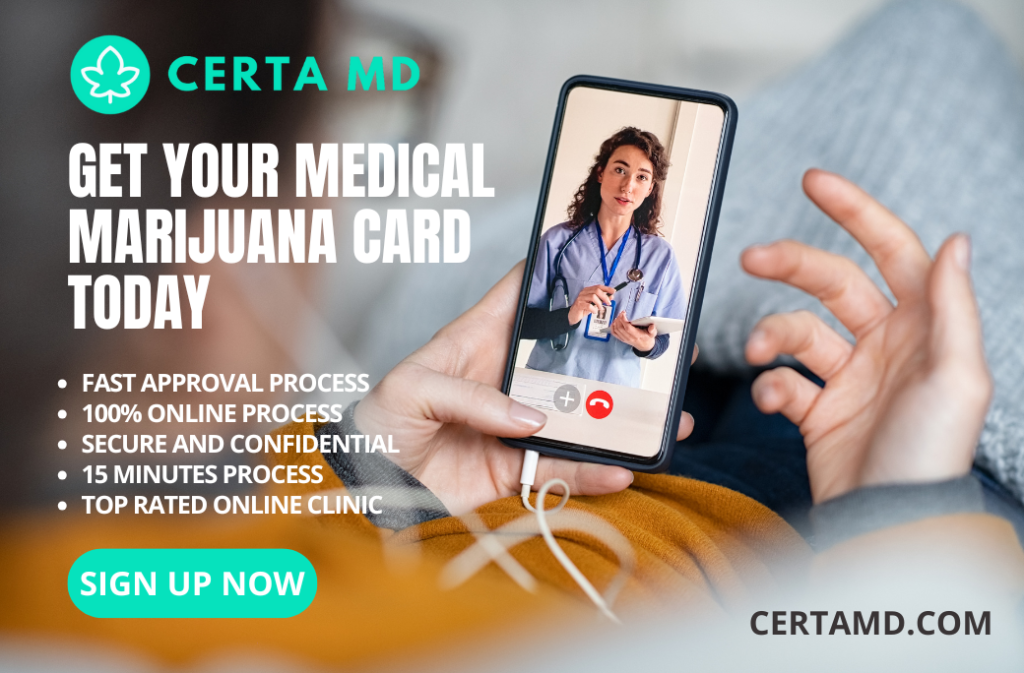

Living in Arizona means you have choices when it comes to cannabis. You might see recreational dispensaries everywhere and wonder why you need a medical card. The answer is actually very simple: having a medical card saves you money and gives you freedom. Recreational buyers pay very high taxes, but medical patients pay much less tax on their medicine. Medical patients can also buy stronger products and possess more cannabis at one time. If you want to know how to get & renew a Medical Marijuana Card in Arizona, this guide is for you.
The best part is that you do not need to leave your house anymore. The entire process is now 100% online through telemedicine services. You can use your phone or computer to connect with licensed marijuana physicians right from your living room.
Understanding the Arizona Medical Marijuana Program (AMMA)
The medical cannabis program in our state is managed by a government group. This group is called the Arizona Department of Health Services, or ADHS for short. They make the rules and issue the cards to patients who really need them.
You might be thinking that since recreational weed is legal, a card is unnecessary. However, being a medical patient comes with special VIP benefits that recreational users do not get. Here are the three biggest reasons people choose to get a card:
-
Huge Tax Savings: Recreational users pay a 16% excise tax, but medical patients do not pay this tax at all. This can save you hundreds of dollars a year.
-
Age Protection: You only have to be 18 years old to get a medical card. Recreational users must be at least 21 years old to enter a shop.
-
Higher Potency & Limits: Medical patients can buy stronger edibles and have a higher medical cannabis allotment AZ.
Am I Eligible? Qualifying Conditions for an AZ MMJ Card
To get a card, you must have a real medical reason. The state of Arizona has a specific list of health problems that qualify for a card. You cannot just say you have pain; a doctor needs to see that you have a condition.
The most common reason people apply is for chronic or severe pain. This could be from an old injury, back problems, or arthritis. Other conditions include cancer, glaucoma, HIV/AIDS, and Crohn’s disease.
Mental health issues like PTSD (Post-Traumatic Stress Disorder) are also very common qualifying conditions. Many people use cannabis to help them feel calm and safe. It is a natural alternative to some heavy prescription pills.
Some other serious conditions include seizures, ALS, and severe muscle spasms. If you are not sure if your specific health issue counts, don’t worry. You can schedule a free consultation to speak with a professional who can help clarify things for you.
It is important to remember that Arizona medical marijuana qualifying conditions are set by the state law. A doctor must officially diagnose you with one of these issues. This ensures the program stays safe and helpful for everyone involved.
Step-by-Step: Getting Your New Patient Card
Getting your card is much easier than it used to be. In the past, you had to drive to a clinic and wait in a crowded lobby. Now, technology has made it fast and simple for everyone.
Step 1: Book Your Evaluation
The first thing you need to do is make an appointment with a doctor. You should look for an online marijuana doctor that Arizona residents trust. At CertaMD, we make booking your time slot very easy.
You will fill out some basic forms on your computer or phone. These forms ask about your health history and basic information. Once you submit the forms, you pick a time for your video call that works for you.
Step 2: The Doctor Certification
Next, you will have a video chat with a licensed doctor. This is just like a Facetime or Zoom call on your phone. The doctor will look at your medical records and ask you a few questions about how you feel.
They want to make sure that cannabis will actually help you feel better. This call is usually very quick and friendly. If the doctor approves you, they send a certification directly to the state system for you.
Step 3: Registering with the ADHS Individual Portal
After the doctor says yes, you need to finish the paperwork with the state. You will log in to the ADHS individual portal to complete your application. This is the official state website where all patient data is kept.
You will need to upload a picture of your photo ID, like a driver’s license. You also need to take a clear “selfie” photo against a white wall to use on your medical card. Once you upload everything and pay the state fee, you are done.
The Renewal Process: Keeping Your Card Active
Your medical marijuana card is valid for two years. After two years, it will expire, and you will not be able to buy medical cannabis anymore. It is very important to learn how to get & renew a Medical Marijuana Card in Arizona before your card runs out.
You should start thinking about renewing your card about 90 days before the expiration date on your card. Do not wait until the very last day to do this. The state can take a few days to process your renewal, and you don’t want a gap in your medicine.
The process for renewal is almost exactly the same as getting a new card. You must see the doctor again to confirm you still have your medical condition. Even if nothing has changed with your health, the state requires this check-up every two years.
If you let your card expire, you lose your tax savings immediately. You also lose the right to possess larger amounts of cannabis. It is much smarter to stay ahead of the date and renew early.
Cost Breakdown: State Fees vs. Doctor Fees
When you get your card, there are two different costs you need to know about. First, there is the fee that goes to the doctor for your exam. Second, there is a separate fee that goes directly to the state government.
The standard fee that the state of Arizona charges is $150. This pays for them to process your background check and print your digital card. This fee is mandatory for everyone applying for a card.
However, the AZ MMJ renewal cost or new card cost is lower for some people. If you receive SNAP (food stamps) benefits, the state cuts the fee by 50%. This means you only pay $75 to the state instead of the full amount.
It is important to find a clinic that is honest about their pricing. You can check our transparent evaluation costs to see exactly what the doctor’s visit will cost. We believe in no hidden fees or surprise charges for our patients.
We also believe in helping those who have served our country. We offer exclusive programs for veterans to lower the cost of getting certified. It is our way of saying thank you to the brave men and women in uniform.
After Certification: Choosing Your Medicine
Once the state approves your application, you will get a digital card. You can download this to your phone. Now you are ready to visit a dispensary and buy your medicine.
Walking into a dispensary can feel overwhelming because there are so many choices. There are flowers to smoke, gummies to eat, and oils to use. Different products work better for different symptoms.
For example, some products might be better for sleep, while others are better for daytime pain relief. It helps to learn a little bit about the plants before you buy. You can explore specific cannabis strains to see which ones might work best for your specific condition.
Indica strains are usually known for making people feel relaxed and sleepy. Sativa strains are known for giving people energy and focus. Hybrids are a mix of both types.
If you don’t know where to go, that is okay too. There are licensed shops all over the state. You can easily locate authorized dispensaries near you using our helpful map tools.
Conclusion
Getting your medical card does not have to be scary or complicated. It is a great way to save money on taxes and get access to better medicine. By understanding how to get & renew a Medical Marijuana Card in Arizona, you are taking control of your health.
Whether you are a new patient or just need a renewal, the process is simple. You can do it all from the comfort of your own home. The team at CertaMD is here to guide you through every single step.
Don’t wait until you are in pain or your card expires. Book your appointment today and get the relief you deserve. We make it fast, affordable, and easy for everyone.
Frequently Asked Questions (FAQ)
Can I get a card if I have a felony?
Yes, in most cases, a felony does not stop you from getting a medical card in Arizona. The only exception is if you have a specific drug-related felony that is very recent. However, for most people, past legal trouble does not affect your eligibility for medicine.
How long does approval take?
The state of Arizona is usually very fast at processing applications. Once you and your doctor submit everything, it usually takes up to 5 business days. Many patients receive their digital card in their email even sooner than that.
Can I use my AZ card in other states?
Some states accept Arizona cards, but not all of them. This is called “reciprocity.” You should always check the laws of the state you are visiting before you travel with your medicine.
Do I need my medical records?
It is always best to have your medical records ready. If you do not have them, the doctor at CertaMD can help guide you. Sometimes we can help request them for you to make things easier.
Is my information private?
Yes, your medical marijuana status is private health information. It falls under HIPAA laws, just like your regular doctor visits. Your employer or neighbors cannot see a public list of patients.
References:
- Arizona Department of Health Services (ADHS) – Medical Marijuana Program:
https://www.azdhs.gov/licensing/medical-marijuana/index.php - Arizona Revised Statutes (ARS) regarding Prop 203:
https://www.azleg.gov/ars/36/02801.htm