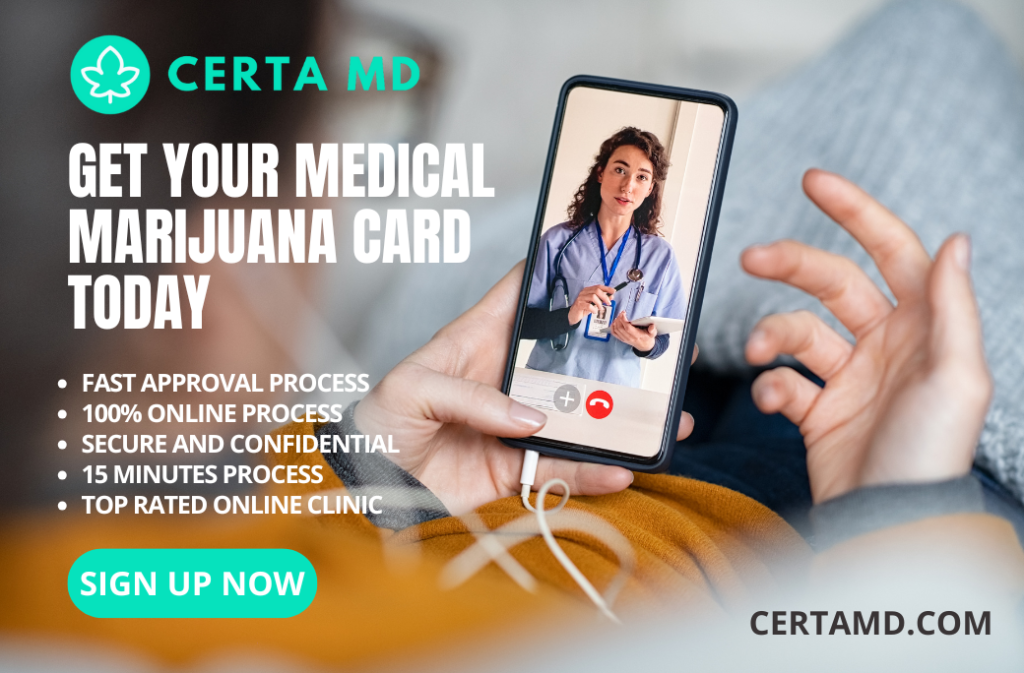

Georgia’s medical marijuana program has made it possible for residents with specific health needs to access cannabis legally through Low THC Oil Registry Cards.
While Georgia has strict regulations for those with qualifying conditions, medical marijuana provides an alternative way to manage symptoms.
Here’s a complete look at Georgia’s latest qualifying conditions for an MMJ card, how to get certified, and why CertaMD is a convenient online solution for starting the process.
Why a Medical Marijuana Card is Useful in Georgia
Georgia’s medical marijuana program focuses specifically on low-THC oil, meaning that patients receive a medical product with reduced psychoactive effects. Here’s why getting an MMJ card in Georgia can make a big difference:
- Access to Low-THC Oil Legally: With an MMJ card, patients can legally access cannabis oil that’s tailored for medical relief.
- Protection Under State Law: An MMJ card provides a layer of legal protection, confirming that cannabis use is medically approved and state-authorized.
- Potential Health Benefits: Low-THC oil is designed to provide therapeutic effects, particularly for chronic conditions, without significant psychoactive effects.
Georgia’s medical marijuana card is a valuable tool for patients seeking relief within the state’s specific guidelines.
Qualifying Conditions for Medical Marijuana in Georgia
The state of Georgia has a defined list of qualifying conditions that allow residents to access low-THC cannabis oil. Here are some of the key conditions covered under Georgia law.
Severe or Chronic Pain
Chronic pain can stem from various conditions, including arthritis, injuries, or nerve damage. Low-THC oil provides a natural alternative to opioids, helping patients manage pain without relying on traditional pain medications, which can come with side effects.
Cancer (At End Stage or Severe Symptoms)
For cancer patients, especially those in the late stages or experiencing intense symptoms, medical marijuana can help reduce pain, nausea, and appetite loss. Low-THC oil offers these patients a way to improve comfort and maintain strength during treatment.
Epilepsy and Seizure Disorders
Georgia’s medical marijuana program includes epilepsy and similar seizure disorders as qualifying conditions. For those who find traditional medications insufficient, low-THC cannabis oil can help reduce seizure frequency and intensity, providing much-needed relief.
Multiple Sclerosis (MS)
People with MS often experience muscle spasms, pain, and mobility issues. Low-THC oil can reduce muscle stiffness and spasms, giving MS patients improved comfort and mobility in their daily lives.
Crohn’s Disease and Other Digestive Conditions
Crohn’s disease and similar conditions affect the digestive system, causing pain and inflammation. Medical marijuana, especially low-THC oil, has anti-inflammatory properties that can help reduce symptoms, making daily life easier for those with digestive issues.
Additional Qualifying Conditions for Medical Marijuana in Georgia
Georgia’s program is specific but does cover a few other conditions, allowing more residents to benefit. Some additional qualifying conditions include:
- Parkinson’s Disease: For people with Parkinson’s, medical marijuana can help reduce tremors, stiffness, and other symptoms.
- Autism Spectrum Disorder (ASD): For patients with severe autism, cannabis oil may help manage symptoms such as anxiety and irritability.
- Sickle Cell Disease: Medical marijuana can provide pain relief for those with sickle cell disease, helping them manage ongoing discomfort.
While Georgia’s regulations are strict, these additional conditions allow more people access to the therapeutic benefits of low-THC oil.
How to Get a Medical Marijuana Card in Georgia
For Georgians with qualifying conditions, the process to obtain a medical marijuana card is straightforward. Here’s a step-by-step guide to getting certified, especially with the help of a trusted provider like CertaMD.
Step 1: Find a Reliable Telehealth Provider
Choosing a reputable provider is the first step in the process. CertaMD is a trusted option, offering quick and secure online consultations with licensed doctors who understand Georgia’s medical marijuana regulations.
Step 2: Gather Any Relevant Medical Documentation
If possible, collect medical records related to your condition, such as treatment summaries or past diagnoses. While these aren’t mandatory, they can be helpful during your consultation. CertaMD’s doctors can evaluate eligibility based on symptoms alone if needed.
Step 3: Schedule an Online Consultation
With CertaMD, booking an appointment is easy, and same-day consultations are available. During your video call, a licensed doctor will ask about your symptoms, review your health history, and assess whether medical marijuana could benefit you.
Helpful Tip: Be clear about your symptoms and how they affect your daily life. This helps the doctor make an accurate recommendation.
Step 4: Obtain Your Medical Marijuana Certification
If the doctor determines that you qualify, they will issue a certification. This certification is necessary for you to apply for an MMJ card under Georgia’s program.
Step 5: Complete Your Application with the Georgia Department of Public Health
After receiving your certification, submit it along with proof of residency and a valid ID to the Georgia Department of Public Health. Once approved, you’ll receive your low-THC oil registry card, granting you legal access to cannabis oil dispensaries throughout Georgia.
Why CertaMD is an Ideal Choice for Georgia Patients
For Georgia residents, CertaMD offers a quick and convenient way to complete your medical marijuana certification. Here’s why many patients choose CertaMD:
- Affordable Consultation Fees: CertaMD provides budget-friendly options, making certification accessible for everyone.
- Same-Day Appointments: CertaMD offers prompt service, helping patients get certified without delay.
- Convenience and Privacy: The online process allows you to complete your consultation from home, ensuring privacy and comfort.
- Experienced, Licensed Doctors: CertaMD’s doctors understand Georgia’s specific requirements, ensuring a compliant and supportive process.
By choosing CertaMD, Georgia residents can get certified for medical marijuana without the hassle of in-person visits.
Ready to Begin? Connect with CertaMD for Your Certification
For Georgia residents, getting a medical marijuana card is now easier than ever. CertaMD provides a seamless online process, allowing you to complete your certification from the comfort of your own home. Their licensed doctors are knowledgeable about Georgia’s medical marijuana laws, ensuring a smooth path to legal access.
Don’t wait to explore relief options that could make a difference in your life. Connect with CertaMD today and take the first step toward legal access to low-THC oil in Georgia—your path to improved health and comfort begins here.
FAQs About Medical Marijuana in Georgia
What conditions qualify for a medical marijuana card in Georgia?
In Georgia, qualifying conditions include severe or chronic pain, cancer, epilepsy, MS, Crohn’s disease, Parkinson’s disease, autism, and sickle cell disease. Additional conditions may qualify based on a doctor’s recommendation.
Can anxiety qualify for a medical marijuana card in Georgia?
Anxiety itself isn’t a qualifying condition in Georgia, but if it’s part of a broader condition like autism or PTSD, it may be considered. Consulting with a licensed doctor is the best way to determine eligibility.
How long is a medical marijuana card valid in Georgia?
Medical marijuana cards in Georgia are typically valid for two years. Patients need to renew their cards every two years to maintain access.
Is the consultation with CertaMD secure?
Yes, CertaMD is HIPAA-compliant, ensuring that all consultations are private, secure, and confidential.
How quickly can I get certified with CertaMD?
With same-day appointments available, you can often complete your certification and apply for your low-THC oil registry card immediately.