
Navigating the path to medical licensure can be complex, but certain states streamline the process, making it more accessible for qualified healthcare professionals.
This guide provides an overview of the states with the simplest licensing requirements, factors that ease the process, and tips for a successful application.
Here’s everything you need to know about obtaining a medical license efficiently and with minimal hassle.
Why Choose Certain States for Easier Medical Licensing?
In some states, the medical licensing process is simplified to accommodate in-state needs or to attract more healthcare providers. These states tend to focus on verifying the essentials — such as educational qualifications and exam scores — without excessive verification of past licenses or employment history. Choosing such states can help you get licensed faster and reduce paperwork.
Benefits of Licensing in an Easier State
Obtaining a license in a state with a straightforward process has significant benefits:
Faster processing times for professionals who are ready to start practicing.
Less administrative burden due to limited verification requirements.
Potential for interstate practice with states that have reciprocity or are part of the Interstate Medical Licensure Compact.
Top States for Easy Medical Licensure
Some states are recognized for having less complicated medical licensure processes for both U.S.-trained and globally-trained physicians. Here, at a glance, are the leading states for easing up on medical licenses.
1. New York
In contrast, New York has a much more intuitive process in which credential verification is done on educational qualifications and exam scores but not on employment, malpractice, or privileges. Now, US graduates fall heavily under this policy, so processing times can take as little as 6 to 12 weeks. For internationally trained professionals, additional steps may be required.
2. Michigan
Among all 50 states, Michigan has been one of the easiest for physicians to obtain an active U.S. license in the last decade. State license certification is the only requisite for the state, which means minimal additional documents to verify and a processing time of approximately six weeks.
For experienced physicians, this process is quite simple, so Michigan is a pretty obvious choice.
3. Indiana
For example, Indiana has created a straightforward process towards licensure by only checking the minimum necessary documents (exam scores, transcripts, state license verifications) before issuing a license.
This process typically takes around ten weeks, but if the applicants submit all documents quickly, they can receive a temporary license in two weeks or less.
4. Florida
Florida is also popular with physicians who want the shortest possible licensure process, which can be completed in as little as 4 to 6 weeks. New and experienced doctors alike seeking licensure in the state benefit from this attractive system, which emphasizes educational transcripts, test scores, and previous licenses.
5. Arizona
Arizona focuses on confirming education, examination scores, and postgraduate training. Such simplicity makes it possible for physicians to acquire a license in 6 to 8 weeks. Arizona has gained traction amongst healthcare providers for streamlining its licensing process.
Steps to Expedite Your Medical License Application
Even in states with simpler processes, certain steps can help expedite your application further:
Prepare Essential Documents Early – Gather all necessary transcripts, exam scores, and certification documents ahead of time to ensure a smooth submission.
Consider FCVS – The Federation Credentials Verification Service (FCVS) simplifies the licensing process by creating a profile that stores your core credentials. Some states accept FCVS profiles as part of their requirements, potentially saving time.
Double-Check State-Specific Requirements – Although many states have straightforward processes, requirements can vary slightly, especially for internationally trained physicians. Check with the state’s medical board for any unique document needs.
Track Your Application Status – Many states provide online tracking tools. Check your application status regularly to address any outstanding issues quickly.
What to Avoid When Applying for Medical Licensure
To keep the process as streamlined as possible:
Avoid submitting incomplete documentation.
Double-check for any discrepancies in your application.
Ensure timely responses to any inquiries from the medical board to prevent delays.
CertaMD: Your Partner in Obtaining a Medical License
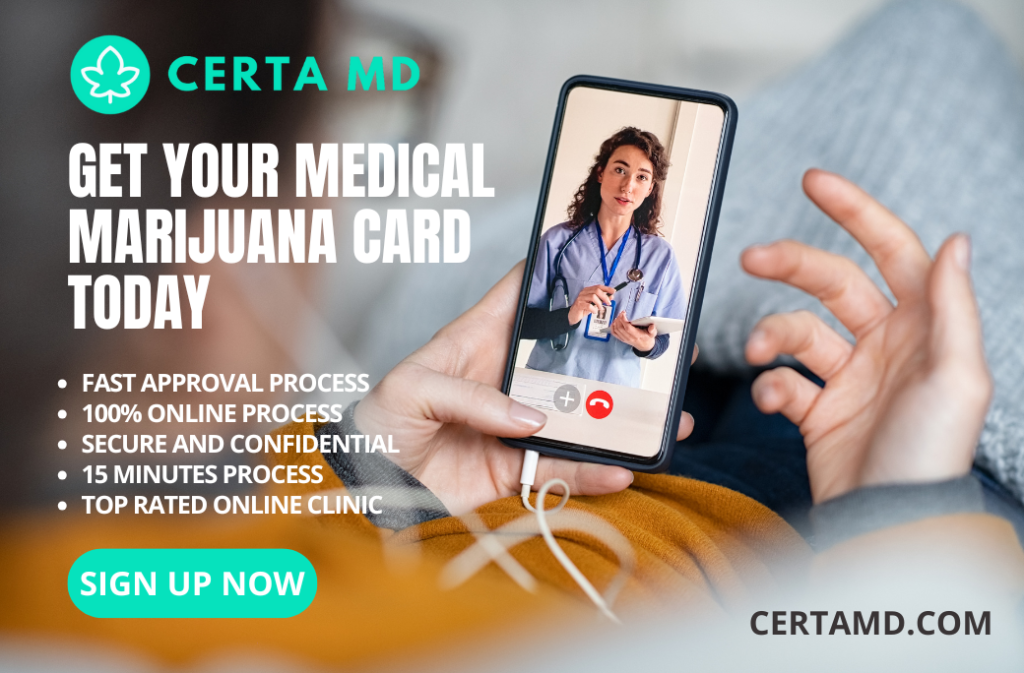
CertaMD is here to help with documentation and telehealth consultations. CertaMD provides immediate access to certified healthcare professionals with more streamlined online access than ever before for medical cards and recommendations across the states.
However, as an applicant hoping to get licensed, access to reliable telehealth services offers more practice options while still complying with their application status and corresponding medical regulations.
Key Considerations for Medical Licensure
While these states provide quicker pathways to licensure, consider the following factors:
Eligibility for Interstate Practice – Many states participate in the Interstate Medical Licensure Compact, making it easier to practice across borders once licensed in one state.
Future Relocation – Choose a state that fits your long-term goals. Some states have more flexible reciprocity, which could benefit you if you plan to move.
Cost – Some states may have higher application or renewal fees, so be sure to assess the full cost of licensure.
Start Practicing Sooner with the Right State Choice
Obtaining a medical license doesn’t have to be time-consuming or complex. By focusing on states with streamlined processes and fewer verification requirements, healthcare providers can start practicing sooner. Whether you’re new to the field or an experienced physician, choosing the right state can save you time, effort, and resources.
Ready to Simplify Your Medical Licensing Journey?
For a seamless and affordable licensing experience, trust CertaMD to support you with prompt access to necessary documentation and consultations. Get started on your medical journey with CertaMD and access the resources you need to excel in your practice.
FAQs
Which state has the fastest medical licensing process?
States like Florida, Michigan, and New York offer some of the fastest processing times, with certain applications completed in under eight weeks.
Do I need a medical license in every state I practice in?
Yes, you typically need a license for each state you practice in, but the Interstate Medical Licensure Compact can streamline licensure for multiple states.
Is the FCVS profile mandatory for all states?
No, but many states accept an FCVS profile to simplify document verification, especially for internationally trained doctors.
Can CertaMD help with licensing in multiple states?
While CertaMD primarily assists with medical cards and recommendations, its telehealth services can support licensed providers in meeting state-specific compliance.
What if I plan to relocate after getting licensed?
If relocation is in your future, consider applying in a state with reciprocity agreements or one participating in the Interstate Medical Licensure Compact.