
In Texas, medical marijuana is available to residents with specific health conditions through the Compassionate Use Program (CUP). While the list of qualifying conditions is more limited compared to other states, Texans with approved medical needs can still benefit from legal cannabis as part of their treatment plan.
Here’s a guide to the qualifying conditions for a medical marijuana (MMJ) card in Texas, the application process, and how CertaMD can assist you with fast and secure online certification.
Benefits of Having a Medical Marijuana Card in Texas
For residents of Texas, having an MMJ card under the Compassionate Use Program offers more than just legal access:
- Access to State-Licensed Dispensaries: With an MMJ card, patients can legally purchase medical marijuana products tailored for therapeutic relief.
- Legitimacy and Legal Security: An MMJ card provides confirmation that your cannabis use is medical and approved under state law.
- Carefully Formulated Products: Medical cannabis products available through Texas’s dispensaries are produced with patient needs in mind, often offering different formulations than recreational products available elsewhere.
For Texans with qualifying conditions, these benefits make the process of getting an MMJ card well worth the effort.
Qualifying Conditions for Medical Marijuana in Texas
Texas’s Compassionate Use Program covers a specific list of conditions that allow patients to qualify for medical marijuana. Here are some of the main qualifying conditions under Texas law.
Intractable Epilepsy
One of the first conditions approved for medical marijuana use in Texas, intractable epilepsy involves seizures that are resistant to standard treatments. Cannabis, particularly products high in CBD, has been shown to reduce the frequency and severity of seizures, offering a safe and effective option for those with epilepsy.
Multiple Sclerosis (MS)
Multiple sclerosis causes symptoms such as muscle spasms, pain, and mobility issues. Medical marijuana helps alleviate muscle stiffness and spasticity, providing MS patients with increased comfort and flexibility.
Spasticity (Including Other Conditions)
Conditions involving spasticity, such as amyotrophic lateral sclerosis (ALS) and spinal cord injuries, qualify for medical marijuana in Texas. Cannabis is known to help relax muscles, making life easier for those who deal with persistent spasms and muscle tightness.
Autism Spectrum Disorder (ASD)
For patients with Autism Spectrum Disorder, medical marijuana can help manage symptoms such as irritability, anxiety, and repetitive behaviors. Texas allows for the use of cannabis for those with ASD who need extra support for symptom management.
Cancer (With Specific Symptoms)
While not all cancer patients automatically qualify, those experiencing cancer-related symptoms like chronic pain, nausea, and appetite loss may be eligible. Medical marijuana helps provide relief from these side effects, improving patients’ quality of life during treatment.
Additional Conditions That May Qualify for Medical Marijuana in Texas
Texas’s Compassionate Use Program is gradually expanding to cover more conditions. In addition to the primary conditions, some of the other conditions that may qualify include:
- PTSD (Post-Traumatic Stress Disorder): For veterans and others with PTSD, medical marijuana can help manage symptoms such as anxiety, insomnia, and flashbacks.
- Seizure Disorders Beyond Epilepsy: Other conditions involving seizures may qualify if they meet the program’s specific criteria.
- Terminal Cancer: Patients with terminal cancer often qualify for medical marijuana to help ease symptoms, providing comfort during their treatment journey.
Texas’s program is strict, but it provides flexibility for some additional severe conditions, making it worth consulting a licensed provider if you believe cannabis might benefit your condition.
How to Get a Medical Marijuana Card in Texas
For those who qualify, obtaining a medical marijuana card in Texas is a straightforward process with the help of a trusted telehealth provider like CertaMD. Here’s how it works:
Step 1: Select a Reputable Telehealth Provider
The first step is to find a reliable provider to conduct your medical evaluation. CertaMD offers a quick, secure, and affordable way to complete your consultation with licensed doctors who understand Texas’s regulations.
Step 2: Gather Medical Documentation
If possible, gather any relevant medical records, such as past diagnoses, prescription history, or other documents related to your condition. While these aren’t always required, they can support your consultation.
CertaMD’s doctors are skilled in evaluating eligibility based on symptoms, so don’t worry if you don’t have complete records.
Step 3: Schedule an Online Consultation
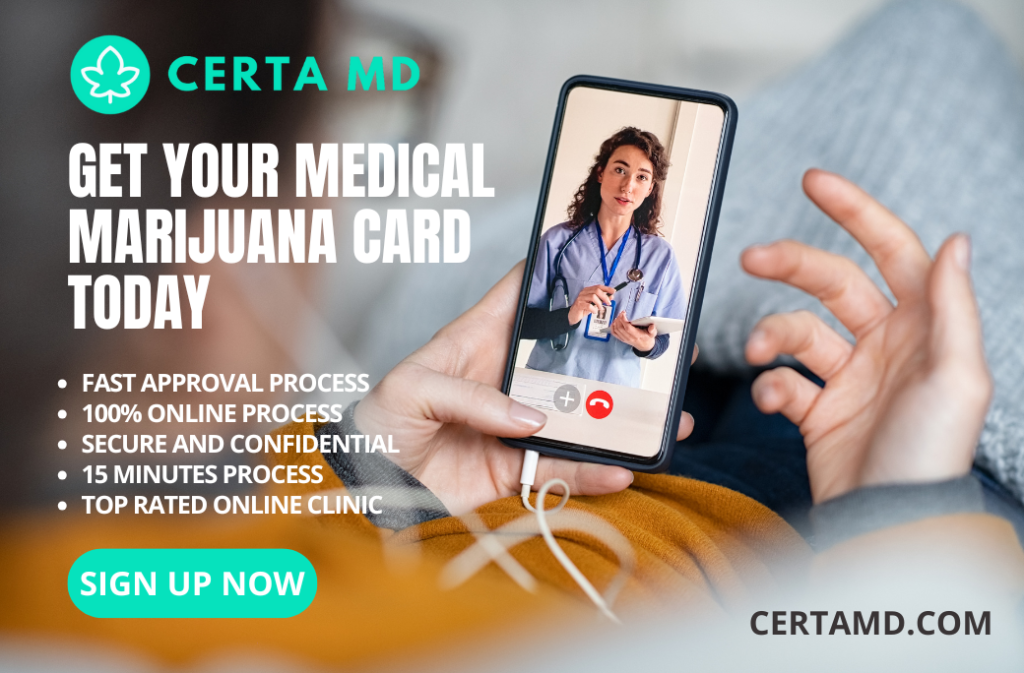
With CertaMD, scheduling a same-day consultation is easy. During the video call, a licensed doctor will ask about your symptoms, discuss your medical history, and evaluate whether medical marijuana is an appropriate treatment.
Pro Tip: Be clear and open about your symptoms and how they impact your life. This helps the doctor provide an accurate recommendation.
Step 4: Obtain Your Medical Marijuana Certification
If the doctor approves your eligibility, they will add your information to Texas’s Compassionate Use Registry. This certification is essential for obtaining your MMJ card and purchasing medical cannabis legally.
Step 5: Accessing Your Medical Marijuana Through Licensed Dispensaries
After your certification is registered, you’ll be able to purchase medical marijuana from one of Texas’s licensed dispensaries. These facilities provide products tailored to meet the needs of medical patients, offering you a safe and legal source of cannabis.
Why CertaMD is a Great Choice for Texans Seeking MMJ Certification
For Texas residents, CertaMD provides a reliable, convenient path to MMJ certification. Here’s why many patients choose CertaMD:
- Affordable and Transparent Fees: CertaMD’s consultation fees are budget-friendly, making the process accessible for all patients.
- Quick, Same-Day Service: CertaMD offers same-day appointments, ensuring you can get certified without delay.
- Complete Privacy and Convenience: The online process allows you to complete your consultation from home, ensuring privacy and ease.
- Knowledgeable, Licensed Doctors: CertaMD’s doctors understand Texas’s specific requirements, ensuring a compliant and supportive experience.
By choosing CertaMD, Texas residents can access the medical marijuana certification they need without the hassle of in-person visits.
Ready to Get Certified? Start Your Journey with CertaMD Today
For Texans with qualifying conditions, getting a medical marijuana card is now easier than ever. With CertaMD, you can complete the certification process from the comfort of your own home. Their licensed doctors are experienced in Texas’s Compassionate Use Program, ensuring a smooth, compliant path to legal cannabis access.
Don’t wait to find the relief you need. Connect with CertaMD today and take the first step toward legal access to medical marijuana in Texas—your path to improved health and comfort begins here.
FAQs About Medical Marijuana in Texas
What conditions qualify for a medical marijuana card in Texas?
Texas’s Compassionate Use Program currently includes conditions like intractable epilepsy, multiple sclerosis, autism, PTSD, spasticity, and certain cancer-related symptoms. A doctor may also approve cannabis for other severe conditions if they meet the program’s criteria.
Can anxiety qualify for a medical marijuana card in Texas?
Anxiety alone doesn’t qualify, but conditions like PTSD that involve significant anxiety may be eligible. A consultation with a licensed doctor can help clarify your eligibility.
How long is a medical marijuana card valid in Texas?
Texas’s medical marijuana certifications are typically valid for a set period based on the doctor’s recommendation. Patients will need to renew their certification as directed to maintain access.
Is the consultation process with CertaMD private?
Yes, CertaMD is HIPAA-compliant, meaning all consultations are secure, private, and confidential.
How quickly can I get certified with CertaMD?
With same-day appointments available, you can often get certified and access the state registry quickly after approval.