
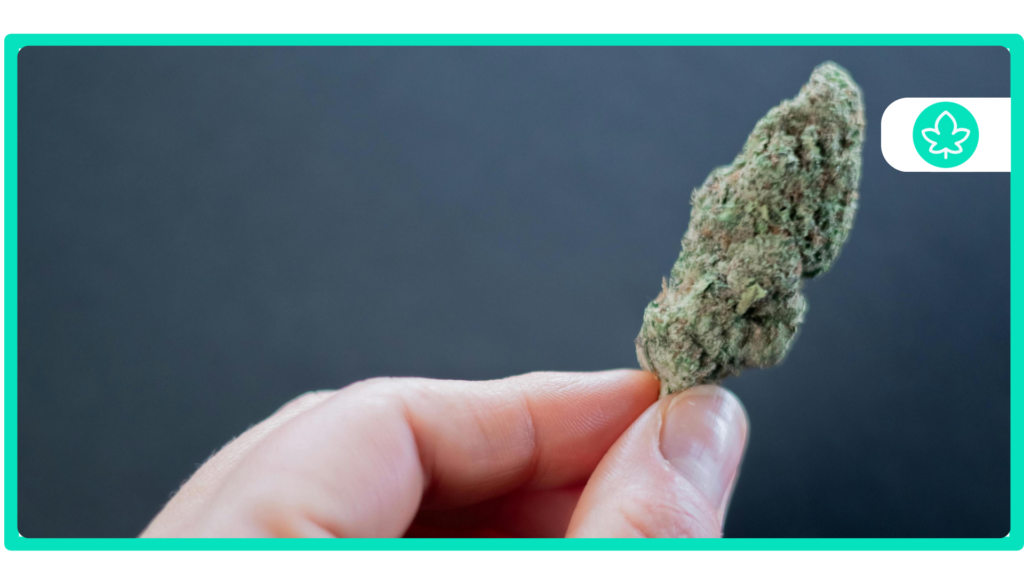
What Exactly Is A 329 Card And Why Should You Get One?

What Exactly Is A 329 Card And Why Should You Get One?

A 329 card is another name used for the Hawaii medical marijuana card issued to registered medical marijuana users within the state. As per the Hawaii cannabis laws, a person must possess a 329 cannabis card in order to enter a state-operated cannabis dispensary and purchase the required products.

Interestingly, the state of Hawaii has two variants of its iconic 329 card. The regular 329 cannabis card is issued to registered medical marijuana patients and the temporary 329V cannabis card is issued to medical marijuana patients from other US states who want to purchase medical cannabis during their short stay in Hawaii. The 329V card is valid for 60 days while the 329 card is valid for one whole year.

Remember that in order to be eligible for any variant of the 329 card, a patient must be diagnosed with one of the following qualifying medical conditions,

  • Glaucoma
  • Multiple Sclerosis
  • Acquired immune deficiency syndrome
  • Post-traumatic stress disorder
  • Cancer
  • Severe pain
  • Positive status for human immunodeficiency virus
  • Rheumatoid Arthritis
  • Cachexia or wasting syndrome
  • Severe and persistent muscle spasms, including those characteristic of Crohn’s disease
  • Lupus
  • Epilepsy
  • Severe nausea
  • Seizures, including those characteristic of epilepsy
  • Amyotrophic Lateral Sclerosis

So, if you’re applying for either a 329 or a 329V card for the very first time, things can get a bit overwhelming and confusing. Don’t worry, let’s take a look at how you can apply for both of these cards based on the up-to-date information shared by our experts at CertaMD.

How to apply for a 329 card?


Applying for a 329 card in Hawaii is pretty straightforward. The first thing you need to have is a medical marijuana recommendation from a certified medical practitioner highlighting that you’re infact diagnosed with one or more qualifying medical conditions. With CertaMD on your side, you don’t even need to visit your doctor in person. Simply book your online appointment with the date and time of your choice and leave the rest to us.

Once you have your medical marijuana recommendation, you need to gather your state-issued identification documents and submit your online application for approval. Once approved, you’ll receive your 329 cannabis card in digital format or via mail and you’re good to go and make your first medical cannabis purchase in Hawaii!

How to apply for a 329V card?


The process of applying for a 329V card in Hawaii is quite similar to that of a 329 card with a few major exceptions. Along with your United States ID documents, you also need to present your native state-issued medical marijuana card confirming that you’re using medical marijuana for one of the qualifying medical conditions approved by the state of Hawaii.

If you don’t have a native state-issued medical marijuana card, you can book your medical marijuana recommendation with a certified doctor in Hawaii and continue with your application for a 329V card after getting a medical marijuana recommendation. Remember, as you’re not a native resident of the state of Hawaii, you can only apply for a 329V card and the validity of this card will be 60 days.

Final Note


Hawaii is a beautiful place for vacations. Fortunately, even if you’re not a native resident of the state of Hawaii, you can still get a 329V card and enjoy your perks as a medical marijuana user for 60 days. Just make sure that you have all the necessary ID documents with you along with your native medical marijuana card. As a resident of Hawaii, you can apply for a regular 329 card valid for one whole year.

https://health.hawaii.gov/medicalcannabisregistry/providers/debilitating-medical-conditions/https://agapoth.com/what-is-a-329-card/
Alana Seppelt

Important Medical Information & Disclaimers

Medical disclaimer

The information on this CertaMD page is provided for educational and informational purposes only and is not a substitute for professional medical advice, diagnosis, or treatment.

All medical marijuana evaluations and recommendations through CertaMD are performed exclusively by licensed U.S. healthcare providers using secure telemedicine technology, in accordance with applicable state laws and regulations.

Always speak with a qualified physician or other licensed healthcare professional before making decisions about your health, changing existing medications, or starting any new treatment, including medical cannabis.

Source: FDA – Cannabis Research & Drug Approval Process

Individual results and treatment response

Medical cannabis does not work the same way for every patient. Symptom relief can depend on factors such as the type of product (THC/CBD ratio, route of administration), dose, frequency of use, underlying medical conditions, concurrent medications, and lifestyle variables like diet, stress, and sleep.

Because response and tolerability vary, ongoing follow-up with your CertaMD provider is important to review benefits, monitor side effects, and adjust your treatment plan safely over time.

Source: NIH – Therapeutic Effects of Cannabis and Cannabinoids

Possible risks and side effects

Like any therapeutic option, medical marijuana can cause side effects. Commonly reported effects include dry mouth, dizziness, fatigue, red or irritated eyes, increased appetite, headache, and temporary problems with attention, concentration, or short-term memory.

Some patients, especially with higher-THC products, may experience anxiety, rapid heartbeat, worsened mood, or perceptual changes; in rare cases, serious effects such as psychosis, significant mood changes, heart rhythm disturbances, or cannabinoid hyperemesis syndrome (recurrent nausea and vomiting) have been reported. If you notice severe, unexpected, or persistent symptoms, stop using cannabis and contact your healthcare provider or seek urgent care.

Source: Mayo Clinic – Marijuana: Safety and Side Effects

Legal and regulatory notice

Medical marijuana programs are created and regulated at the state level, and eligibility, product access, and telemedicine rules vary by jurisdiction. Under U.S. federal law, marijuana remains a Schedule I controlled substance, and clinicians typically “recommend” or “certify” medical cannabis use rather than prescribe it in the traditional sense.

Some states require an initial in-person visit before medical cannabis certification, while others allow both initial and renewal evaluations via telehealth; CertaMD operates within the specific requirements of each state it serves.

Sources: DEA – Controlled Substances Act

Telehealth.org – Cannabis Prescribing and Telehealth

Product quality, sourcing, and safety

For your safety, use only medical cannabis products obtained from licensed, state-regulated dispensaries that perform appropriate laboratory testing for potency and contaminants. Unregulated or illicit products may contain pesticides, heavy metals, microbes, or inaccurate THC/CBD concentrations, which can increase health risks and lead to unpredictable effects.

Ask your CertaMD clinician or dispensary pharmacist about product selection, dosing, onset and duration of effects, and how to store products safely away from children and pets.

Source: FDA – What to Know About Cannabis Products

Reporting adverse events and safety concerns

If you experience serious or unexpected side effects while using medical cannabis, contact your healthcare provider immediately or seek emergency care when appropriate.

Patients and caregivers in the United States can also report adverse events and product problems to the FDA’s MedWatch program online or by phone at
1-800-FDA-1088, which helps regulators monitor safety trends and protect public health.

Source: FDA – MedWatch Safety & Adverse Event Reporting

See how much you could save with a medical card

Note that this is an estimate of savings and does not constitute a guarantee. Additional taxes in your area or recent changes in local laws may affect these rates. Please verify current regulations in your state.

Table of Contents

Latest Posts

How to Get & Renew a Medical Marijuana Card in Connecticut​

Does the idea of dealing with state government forms make you nervous? You are definitely not alone. Many people in Connecticut feel overwhelmed when they...

How to Get & Renew a Medical Marijuana Card in California​

California is famous for its sunny weather and for being the first state to legalize medical cannabis. Today, you can walk into a store and...

How to Get & Renew a Medical Marijuana Card in Arizona​

Living in Arizona means you have choices when it comes to cannabis. You might see recreational dispensaries everywhere and wonder why you need a medical...
Top 10 Easy-to-Grow Strains

Top 10 Easy-to-Grow Strains

Choosing the right strain is huge if you are new to growing cannabis or looking to make your cultivation process easier. But some strains are...
Top 10 Uplifting And Energetic Strains

Top 10 Uplifting And Energetic Strains

While it’s common to attribute cannabis to its ability to relax, soothe, and calm, it’s also known for giving your mind and body a boost...
Top 10 Best Strains For Making Hash Or Concentrates

Top 10 Best Strains For Making Hash Or Concentrates

They come in the form of cannabis concentrates: hash. From a more seasoned cannabis enthusiast to a novice just dabbing their toes into concentrates, choosing...